Remember the ABCDs of infant safe sleep!
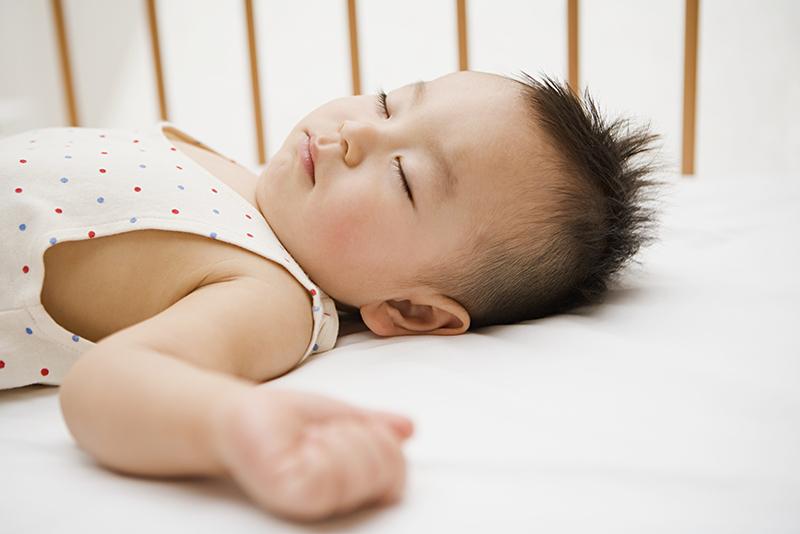
Infants under the age of 1 need to sleep in a safe sleep environment and placed Alone on their Backs in a safe Crib in a Drug-free and smoke-free home.
Keep Your Baby Safe


Infant Deaths Due to Unsafe Sleeping Continue to Occur in Anne Arundel County
The Anne Arundel County Department of Health would like to alert the community about infant sleep-related deaths in Anne Arundel County. Twenty-eight (28) infants died suddenly and unexpectedly in Anne Arundel County, from 2020 - 2025, related to unsafe sleeping environments.
SUID and SIDS
Sudden Unexpected Infant Death (SUID) is a sudden and unexpected death of a baby aged younger than 1 year. For these deaths, there is no obvious cause before investigation. Sudden unexpected infant deaths often happen during sleep.
Sudden unexpected infant deaths include:
- Sudden infant death syndrome (SIDS)
- Accidental suffocation in a sleeping environment
- Other deaths from unknown causes
Sudden Infant Death Syndrome (SIDS) is when a child under one-year-old dies and that death can’t be explained after a thorough investigation and review of the baby’s medical history.
About 3,400 babies died suddenly and unexpectedly in the United States in 2024, according to the Centers for Disease Control and Prevention. Nearly 75% of these deaths involved unsafe sleep practices.
Parents and caregivers can help reduce the risk of sleep-related infant deaths, such as Sudden Unexpected Infant Death (SUID) and Sudden Infant Death Syndrome (SIDS).
Infant Safe Sleep Recommendations for: Parents, Grandparents, Relatives, Caregivers, and Babysitters
CDC supports the 2022 recommendations issued by the American Academy of Pediatrics (AAP). Take the following actions to help reduce the risk of sleep-related infant deaths.
- Place your baby on his or her back for all sleep times—naps and at night.
- Use a firm, flat (not at an angle or inclined) sleep surface. For example, a mattress in a safety-approved crib covered by a fitted sheet.
- Keep your baby's sleep area (for example, a crib or bassinet) in the same room where you sleep, ideally until your baby is at least 6 months old.
- Keep soft bedding out of your baby's sleep area. This includes blankets, pillows, bumper pads, and soft toys.
- Do not cover your baby's head or allow your baby to get too hot. Signs your baby may be getting too hot include sweating or his or her chest feels hot.
Additional Recommendations include:
- Breastfeed infants for at least the first six months, if possible. Evidence shows that human milk reduces the risk of SIDS. The longer you give your baby breast milk, the more protection it gives.
- The following products are unsafe to use for infant sleep: Examples include Nursing pillows, Dock-a-Tots, Inclined sleepers, Crib bumpers, Infant sleep positioners, Infant loungers, Mini-bassinets or baskets, Nursing pillows, Swings, Hammocks, Gliders, and Car seats.
- Avoid falling asleep with your baby in other spots, too. The risk of sleep-related infant death is up to 67 times higher when infants sleep with someone on a couch, soft armchair, cushion or lounge chair.
Keep a Drug-free and Smoke-free Home
Drinking alcohol, using cannabis or taking any medicines or illicit drugs. The risk of sleep-related infant death is more than 10 times higher for babies who bed share with someone who is fatigued or has taken medications that make it harder for them to wake up or has used substances such as alcohol or drugs.
Safe Sleep Tips
Video playlists from the Center for Infant & Child Loss